
How to Start a Small Herb Garden Indoors: A Beginner’s Guide
Growing a small herb garden indoors is a rewarding and practical way to enjoy fresh flavors for cooking, improve your home’s air quality, and add a touch of greenery to your living space. Whether you have a large sunny window or just a small nook, starting your own herb garden doesn’t require much space or experience. This guide will walk you through everything you need to know to successfully grow herbs indoors.
Why Grow Herbs Indoors?
Indoor herb gardens bring several benefits:
– Fresh flavors anytime: Harvest herbs like basil, parsley, or mint on demand.
– Cost-effective: Save money by growing herbs instead of buying fresh bunches regularly.
– Convenient: Keep herbs within reach while cooking.
– Decorative: Add natural beauty and greenery to your home.
– Therapeutic: Gardening can be a relaxing and satisfying hobby.
Choosing the Right Herbs for Indoor Growing
Not all herbs thrive equally indoors. Here are some of the most beginner-friendly herbs that typically do well inside:
– Basil: Loves warmth and sunlight, great for cooking.
– Parsley: Hardy and requires moderate light.
– Mint: Very easy to grow, but best kept in its own pot as it spreads quickly.
– Chives: Tolerant of lower light and compact.
– Thyme: Prefers bright light and well-draining soil.
– Cilantro: Needs plenty of sunlight and regular watering.
– Oregano: Thrives in sunny, dry conditions.
Step 1: Choose a Suitable Location
Most herbs need at least 4-6 hours of direct sunlight per day. The ideal spot is a south-facing window, but east- or west-facing windows can also work if they receive bright light.
If natural light is limited, consider using a grow light. LED grow lights are energy-efficient and effective, providing the right spectrum of light for plants.
Step 2: Select Containers and Soil
– Containers: Choose pots with drainage holes to prevent waterlogging. Small pots (4-6 inches) work well for individual herbs. You can also use window boxes or herb garden kits.
– Soil: Use a high-quality, well-draining potting mix designed for indoor plants. Avoid garden soil, which can be too dense and may harbor pests.
Step 3: Planting Your Herbs
You can start herbs from seeds, small seedlings, or cuttings. For beginners, seedlings or young plants from a nursery are usually easier to manage.
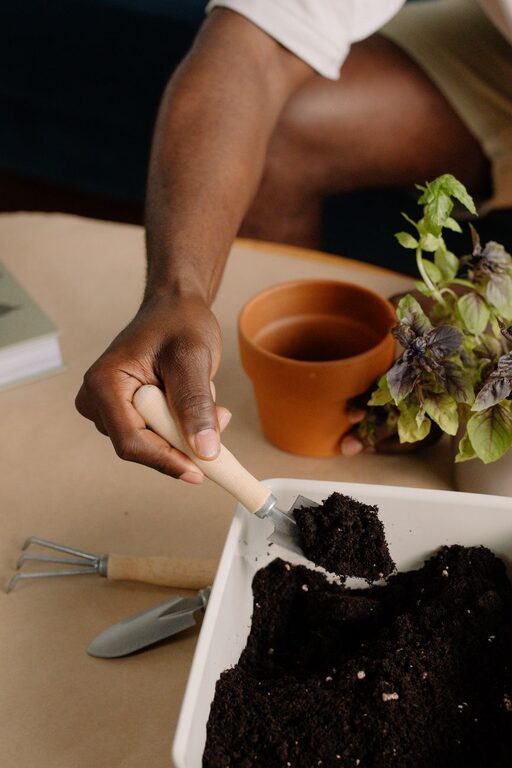
– Fill your container with soil, leaving about an inch of space from the rim.
– If planting seedlings, gently remove the plant from its nursery pot and place it in the new pot.
– Cover the roots with soil and press lightly to remove air pockets.
– Water thoroughly until water drains from the bottom.
Step 4: Caring for Your Indoor Herb Garden
Watering
Herbs prefer consistently moist but not soggy soil. Water when the top inch of soil feels dry. Overwatering can cause root rot, so make sure containers drain well.
Light
Place your herbs where they receive adequate light daily. Rotate pots occasionally so all sides get light evenly.
Temperature and Humidity
Most herbs prefer temperatures between 65-75°F. Avoid placing plants near vents or cold drafts. If your home is dry, increase humidity by misting plants or placing a tray of water nearby.
Fertilizing
Indoor herbs benefit from light feeding every 4-6 weeks during the growing season. Use a balanced, water-soluble fertilizer diluted to half-strength.
Step 5: Harvesting Your Herbs
Harvesting encourages new growth and keeps your herbs healthy.
– Snip leaves or stems with clean scissors or pruning shears.
– Try not to remove more than one-third of the plant at a time.
– Regular harvesting helps herbs stay bushy and productive.
Troubleshooting Common Issues
– Yellow leaves: May indicate overwatering or poor drainage.
– Leggy growth: Often caused by insufficient light; move plants to a sunnier spot.
– Pests: Occasionally, aphids or spider mites can appear. Wipe leaves with a damp cloth or use insecticidal soap designed for indoor plants.
– Wilting: Check soil moisture; underwatering or root problems may be the cause.
Tips for Success
– Start small with just a few herbs to avoid feeling overwhelmed.
– Label your pots, especially if you’re growing multiple types.
– Experiment with different containers and locations to find what works best.
– Enjoy the process—a little trial and error is part of learning.
Conclusion
Starting a small indoor herb garden is easier than you might think and highly rewarding. With the right location, containers, and care, you can enjoy fresh, homegrown herbs year-round. Whether you add a few pots to your kitchen windowsill or create a dedicated herb station, your living space will benefit from this green and flavorful addition.
Happy gardening!
