
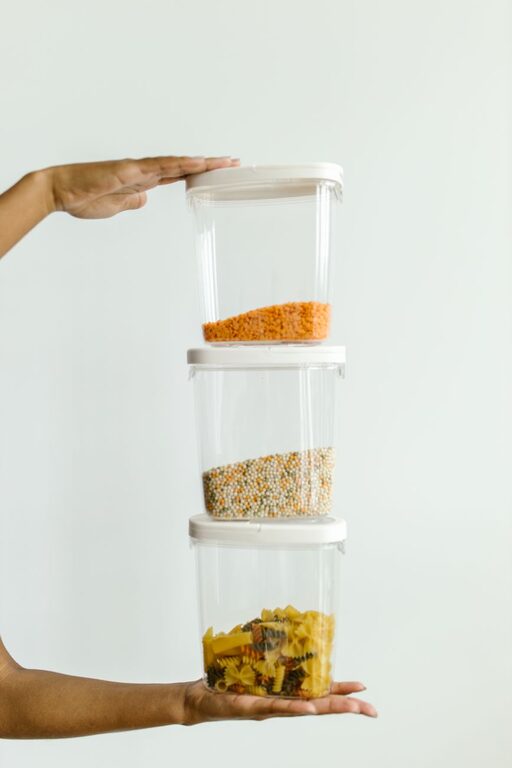
How to Plan Meals Using Pantry Staples for Easy, Stress-Free Cooking
When it comes to cooking at home, having a well-stocked pantry can be a game changer. Pantry staples are ingredients that store well and form the base for many meals, allowing you to whip up dishes quickly without a trip to the store. Planning meals around these staples not only saves time but also reduces food waste and helps you stick to a budget.
In this post, we’ll explore practical strategies to plan your meals using pantry staples, whether you’re new to cooking or just want to make mealtime easier.
What Are Pantry Staples?
Pantry staples are non-perishable or long-lasting ingredients you keep on hand to create a variety of meals. Examples include:
– Grains like rice, pasta, and quinoa
– Canned goods such as beans, tomatoes, and vegetables
– Cooking oils like olive oil or vegetable oil
– Spices and dried herbs
– Flour, sugar, and baking essentials
– Broth or stock cubes
– Nut butters and dried legumes
Having these basics available means you can always prepare something satisfying, even when fresh ingredients are low.
Benefits of Planning Meals from Pantry Staples
– Convenience: No last-minute store runs because you already have the essentials.
– Budget-friendly: Buying staples in bulk saves money and reduces impulse purchases.
– Less food waste: Using what you have reduces the chance of ingredients spoiling.
– Variety: Staples can be combined in many ways to keep meals diverse.
Step 1: Take Stock of Your Pantry
Start by organizing and inventorying your pantry. Remove expired items and take note of what you have. Group items by category such as grains, canned goods, spices, and baking supplies. This makes it easier to see what meals you can create.
Tip: Keep a running list of pantry staples on your phone or a notepad to update as you use or purchase items.
Step 2: Choose Your Meal Frameworks
Planning meals around pantry staples works best with simple frameworks that can be customized. Here are a few ideas:
Grain Bowls
Use rice, quinoa, or couscous as a base. Add canned beans or lentils, canned veggies or quick sautéed fresh produce, and a flavorful sauce or dressing. Top with nuts or seeds for crunch.
Pasta Dishes
Cook pasta and toss with canned tomatoes or canned clam sauce, olive oil, garlic, and dried herbs. Add canned tuna or chickpeas for protein.
Soups and Stews
Start with broth cubes and add canned beans, tomatoes, and vegetables. Spice it up with herbs and spices you have on hand.
Stir-Fries
Use rice or noodles with a mix of canned or frozen vegetables and any protein you’ve stored or fresh. Season with soy sauce or pantry-friendly sauces.
Wraps and Sandwiches
Use peanut butter, canned beans, or canned meats combined with pantry condiments and fresh or pickled vegetables.
Step 3: Plan Weekly Menus Around Staples
Create a simple weekly meal plan using these frameworks. Focus on meals that use the same ingredients in different ways to minimize waste.
Example Weekly Plan:
– Monday: Chickpea curry with rice (chickpeas, canned tomatoes, spices)
– Tuesday: Pasta with olive oil, garlic, and canned tuna
– Wednesday: Lentil soup (lentils, broth cubes, canned vegetables)
– Thursday: Rice bowl with black beans, corn, and salsa
– Friday: Stir-fried noodles with canned vegetables and soy sauce
– Saturday: Peanut butter and jelly sandwiches with fruit
– Sunday: Homemade pizza using pantry bread base, tomato sauce, and toppings
Step 4: Stock Up on Versatile Pantry Staples
Consider adding these essentials to your pantry to increase your meal options:
– Canned beans (black beans, chickpeas, kidney beans)
– Canned tomatoes (diced, crushed, sauce)
– Various pasta shapes
– Long-grain rice and quick-cooking grains
– Chicken or vegetable broth cubes
– Olive oil and vinegar
– Soy sauce or tamari
– A variety of dried spices and herbs
Step 5: Use Recipes to Inspire Creativity
Many recipes online are designed specifically to use pantry staples. Search for “pantry meals” or “pantry cooking” to find inspiration. Don’t be afraid to experiment by mixing and matching what you have.
Step 6: Supplement With Fresh Ingredients
While your pantry staples form the base, fresh ingredients like onions, garlic, potatoes, carrots, and seasonal vegetables can enhance flavors. Buying these each week allows you to elevate simple pantry meals.
Tips for Success
– Rotate your pantry: Use older items first to keep things fresh.
– Label and date: Keep pantry items organized with clear labels.
– Meal prep: Cook larger batches of pantry-based meals and freeze portions.
– Keep a flexible attitude: Swap ingredients as needed based on what’s available.
Final Thoughts
Planning meals from pantry staples is a smart and practical approach that takes the stress out of cooking. With a well-stocked pantry and a bit of creativity, you can easily put delicious and nutritious meals on the table any day of the week.
Start by assessing your pantry, creating simple meal frameworks, and planning your week ahead. Over time, you’ll find it easier to cook with confidence, save money, and enjoy home-cooked meals more often. Happy cooking!
