
Simple Mindfulness Practices to Enhance Your Daily Life
Mindfulness has become a popular way to improve mental well-being and reduce stress. The great news is that you don’t need to set aside hours each day or attend special classes to experience the benefits. Simple mindfulness practices can easily fit into your daily life, making your days calmer, clearer, and more focused.
In this post, we’ll explore easy mindfulness exercises and tips that anyone can try, no matter how busy life gets.
What Is Mindfulness?
Mindfulness means paying full attention to the present moment without judgment. It’s about noticing your thoughts, feelings, and surroundings with curiosity and openness. This awareness helps you respond to situations calmly instead of reacting automatically.
Why Practice Mindfulness Daily?
Incorporating mindfulness into your day can:
– Reduce stress and anxiety
– Improve focus and concentration
– Enhance emotional regulation
– Promote better sleep
– Boost overall well-being and happiness
Even a few minutes daily can make a noticeable difference.
Simple Mindfulness Practices You Can Try
Here are some easy, practical ways to bring mindfulness into your everyday routine.
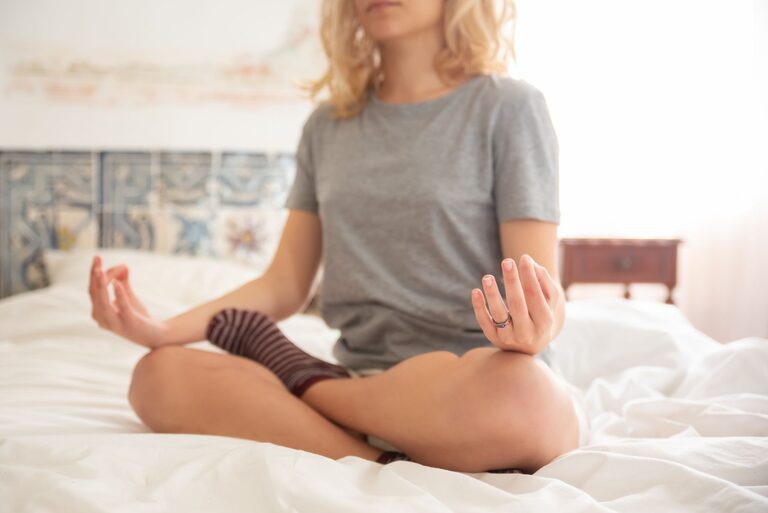
1. Mindful Breathing
One of the simplest mindfulness exercises is focusing on your breath. It’s a natural anchor to the present moment.
How to do it:
– Find a comfortable seated position.
– Close your eyes if you like.
– Take slow, deep breaths in through your nose and out through your mouth.
– Notice the sensation of the air entering and leaving your body.
– If your mind wanders, gently bring your attention back to your breath.
Try this for 2-5 minutes whenever you need a moment of calm.
2. Body Scan Meditation
This practice helps you tune in to physical sensations and releases tension.
How to do it:
– Sit or lie down comfortably.
– Close your eyes and take a few deep breaths.
– Slowly bring your attention to your feet, noticing any sensations.
– Gradually move your focus up through your legs, torso, arms, and head.
– If you notice tension or discomfort, breathe into that area and imagine the tension melting away.
This can be done in 5-10 minutes, especially before bedtime or to relax during the day.
3. Mindful Walking
Walking mindfully means paying close attention to the experience of walking itself.
How to do it:
– Walk slowly and focus on the sensation of your feet touching the ground.
– Notice the movement of your legs, the rhythm of your steps.
– Observe your surroundings—the colors, sounds, and smells.
– If your mind drifts, gently bring your focus back to the act of walking.
This practice can be part of your daily walk or a brief pause when you go outside.
4. Mindful Eating
Eating mindfully can help you enjoy your food more and develop better eating habits.
How to do it:
– Sit down without distractions like TV or phones.
– Look at your food, notice the colors and smells.
– Take small bites and chew slowly.
– Pay attention to the flavors and textures.
– Notice how your body feels as you eat.
Try this with one meal or snack each day.
5. Five Senses Exercise
This quick exercise helps ground you in the present moment by focusing on what you see, hear, feel, smell, and taste.
How to do it:
– Pause and look around you. Name five things you can see.
– Listen carefully and name four sounds you can hear.
– Notice three things you can touch or feel.
– Take in two smells.
– Identify one taste or something you can taste.
This practice can be done anytime you feel overwhelmed or distracted.
Tips to Make Mindfulness a Habit
– Start small. Even one or two minutes a day can help you build consistency.
– Set reminders. Use phone alarms or sticky notes to prompt mindfulness breaks.
– Be kind to yourself. It’s normal for your mind to wander; gently return your focus without judgment.
– Combine with daily tasks. Pair mindfulness with activities like brushing teeth, washing dishes, or commuting.
– Practice regularly. The more you practice, the easier and more natural it becomes.
Mindfulness and Technology
Technology can be both a distraction and a tool for mindfulness. Consider apps that guide you through meditation or breathing exercises. At the same time, set boundaries to limit mindless scrolling and screen time.
Conclusion
Mindfulness doesn’t have to be complicated or time-consuming. By incorporating simple practices like mindful breathing, walking, or eating, you can enjoy greater calm and clarity every day. Try adding one or two of these exercises to your routine and notice how your awareness and well-being improve over time.
Remember, mindfulness is a skill you can develop gradually. The key is to be patient and make it part of your daily life in ways that feel natural and helpful for you.
