
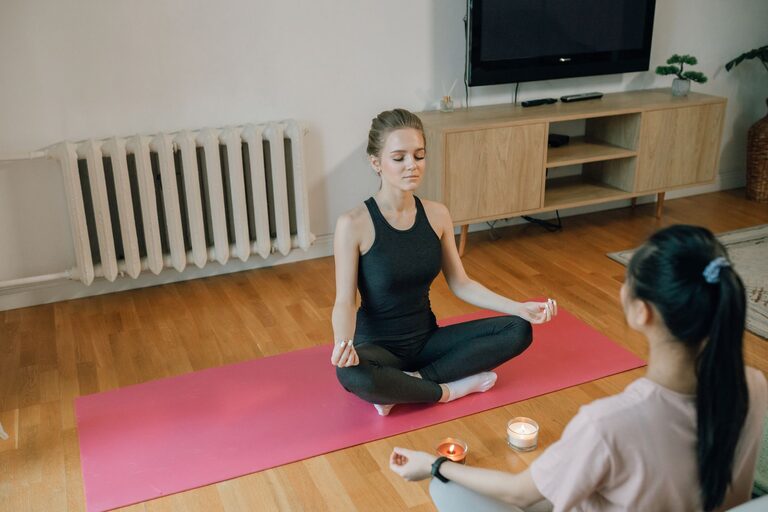
Beginner Tips for Mindful Breathing Breaks to Reduce Stress
Taking mindful breathing breaks is a simple yet powerful way to reduce stress and improve your focus during busy days. Whether you’re working at a desk, studying, or managing household tasks, a few moments of intentional breathing can help you feel calmer and more centered. If you are new to mindful breathing, this guide offers beginner-friendly tips to help you get started.
What Is Mindful Breathing?
Mindful breathing is the practice of paying full attention to your breath—observing how it flows in and out without trying to change it. This kind of focused breathing helps anchor your mind to the present moment, reducing distracting thoughts and promoting relaxation.
Unlike deep breathing exercises that might require effort or breath control, mindful breathing simply invites awareness. This makes it a gentle, accessible technique anyone can use.
Why Take Mindful Breathing Breaks?
Modern life is often fast-paced and filled with distractions, leading to increased stress and mental fatigue. Mindful breathing breaks can:
– Reduce feelings of anxiety and stress
– Improve concentration and mental clarity
– Help you respond more calmly to challenges
– Increase overall emotional well-being
– Provide a quick, portable way to relax anytime, anywhere
Even short breaks of 1 to 5 minutes can have noticeable benefits.
Getting Started: Beginner Tips for Mindful Breathing Breaks
1. Choose a Comfortable Setting
Find a quiet and comfortable place where you can sit or stand without being disturbed. This could be at your desk, on a park bench, or even while waiting in line.
2. Set a Timer (Optional)
If you’re new to mindful breathing, setting a timer for 2 to 5 minutes can help you stay focused without wondering how much time has passed. Use your phone’s timer or a meditation app if you prefer.
3. Get Comfortable
Sit with your back straight but relaxed, feet flat on the floor, and hands resting gently in your lap or on your knees. If standing, keep your weight evenly balanced. You can also lie down if that’s more comfortable.
4. Focus on Your Breath
Close your eyes if you like, or keep them softly open with a gentle gaze. Notice your natural breathing rhythm without trying to change it. Feel the air entering your nostrils, your chest rising and falling, or your belly expanding and contracting.
5. Use a Simple Breathing Pattern (Optional)
If you want, count your breaths to maintain focus. For example, inhale for a count of four, exhale for a count of four. The goal is not to force breathing but to keep your attention on the breath.
6. Gently Return Your Focus When Distracted
It’s normal for your mind to wander. When you notice this happening, simply acknowledge the distraction without judgment and gently bring your focus back to your breath.
7. End Gradually
When your timer goes off or you feel ready, open your eyes slowly if they were closed. Take a moment to notice how you feel before returning to your activities.
Tips to Make Mindful Breathing Breaks a Habit
Schedule Regular Breaks
Set reminders on your phone or computer to take mindful breathing breaks two to three times a day. Consistency helps build the habit.
Combine with Other Relaxation Practices
Mindful breathing pairs well with gentle stretching, a quick walk, or grounding exercises to enhance relaxation.
Use Guided Resources
Beginner-friendly apps and online videos can provide guidance and encouragement when you’re starting out.
Be Patient with Yourself
Mindfulness is a skill that improves with practice. It’s okay if your mind feels busy at first. With time, mindful breathing will become more natural and effective.
Mindful Breathing Techniques to Try
Here are a few simple techniques suitable for beginners:
1. 4-4 Breathing
– Inhale slowly through your nose for a count of 4
– Exhale gently through your mouth for a count of 4
– Repeat for several breaths
2. Belly Breathing
– Place one hand on your belly
– Breathe in deeply and feel your hand rise as your belly expands
– Exhale fully and feel your hand lower
– Focus on the rise and fall of your belly
3. Counting Breath
– Inhale and silently count “one”
– Exhale and count “two”
– Continue counting up to five, then start over
These techniques help maintain your attention and deepen relaxation.
When to Use Mindful Breathing Breaks
Mindful breathing breaks are flexible and can be used:
– During work or study sessions to reset focus
– Before or after stressful conversations or events
– When you feel overwhelmed or anxious
– To help with falling asleep by calming the mind
– Anytime you need a moment of calm and presence
Final Thoughts
Mindful breathing breaks are an easy, effective way to support your mental well-being. Starting small with just a few minutes a day can make a big difference over time. Remember to be gentle with yourself and explore different techniques to find what feels best for you. With regular practice, mindful breathing can become a refreshing pause that helps you navigate life’s challenges with more calm and clarity.
Give it a try today—you might be surprised at how a simple breath can change your day!
