
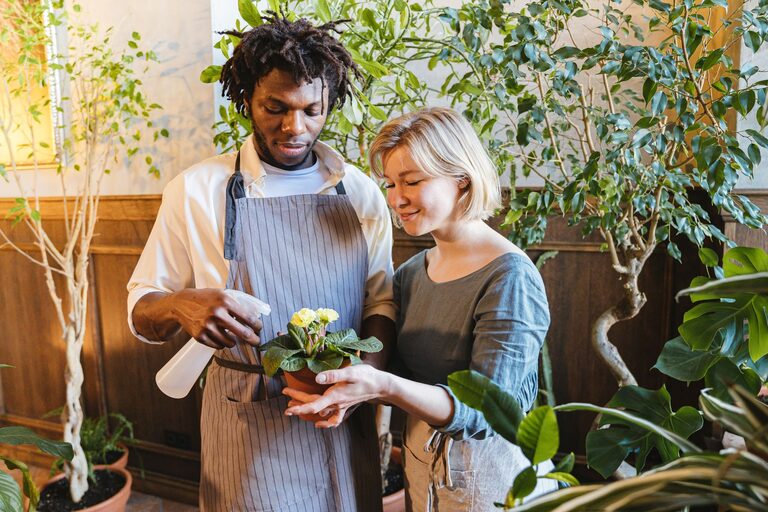
Essential Tips for Keeping Your Houseplants Healthy and Thriving
Bringing houseplants into your home is a wonderful way to add life, color, and fresh air. However, keeping these plants healthy requires some attention and care. Whether you’re new to indoor gardening or a seasoned plant enthusiast, understanding the basics of plant care will help your houseplants thrive. This guide offers practical tips to keep your indoor plants happy and growing.
Understanding Your Plant’s Needs
Every houseplant species has unique requirements, but most need a few basic elements to stay healthy.
1. Know Your Plant Type
Before anything else, identify your plant. Is it a succulent, fern, flowering plant, or tropical species? Each type has different sunlight, water, and humidity needs. Researching your specific plant helps tailor your care routine.
2. Proper Lighting
Light is a crucial factor in plant health.
– Bright Light: Succulents and cacti generally need bright, direct sunlight.
– Indirect Light: Many tropical plants like pothos or peace lilies prefer bright, indirect light.
– Low Light: Some plants like snake plants or ZZ plants tolerate lower light levels but may grow slower.
Observe how the sunlight enters your room during the day and place your plants accordingly.
Watering Fundamentals
Watering is often the most misunderstood aspect of plant care.
1. Avoid Overwatering
Overwatering is the leading cause of houseplant health issues. Most plants prefer the soil to dry out partially before the next watering. Stick your finger about an inch into the soil; if it’s dry, it’s time to water.
2. Use the Right Watering Technique
Water thoroughly so that it reaches the roots and drains out the bottom. Avoid letting plants sit in standing water, as this can cause root rot.
3. Adjust Watering Frequency Seasonally
Plants often need more water in the growing season (spring/summer) and less in the dormant months (fall/winter).
Soil and Potting Tips
Your plant’s soil and container can also affect its health.
1. Choose Suitable Soil
Different plants thrive in different soil types. Cacti and succulents need well-draining soil, while moisture-loving plants might prefer peat-based or loamy soil.
2. Pots with Drainage Holes
Always use pots with drainage holes to prevent water from pooling at the bottom, which can lead to root diseases.
3. Repotting When Necessary
Plants can outgrow their containers. If you notice roots growing out of drainage holes or soil drying too quickly, it might be time to repot.
Fertilizing Your Plants
Feeding your plants provides essential nutrients.
1. Use Balanced Fertilizer
A balanced, water-soluble fertilizer is usually best for most houseplants.
2. Follow Package Instructions
Over-fertilizing can harm plants. Use fertilizer according to the label, usually once a month during the growing season.
Maintaining Proper Humidity and Temperature
Many houseplants come from tropical environments and appreciate some extra humidity.
1. Increase Humidity
Use a humidifier, place plants on trays with water and pebbles, or group plants together to boost moisture in the air.
2. Keep Stable Temperatures
Avoid placing plants near cold drafts or heating vents. Most indoor plants prefer temperatures between 65°F and 75°F.
Regular Cleaning and Pruning
Keeping your plants clean helps them photosynthesize efficiently.
1. Dust Leaves Regularly
Dust can block sunlight. Wipe leaves gently with a damp cloth or give plants a gentle shower.
2. Prune Dead or Yellow Leaves
Remove damaged leaves to encourage new growth and prevent disease.
Watch for Pests and Diseases
Indoor plants can attract pests like spider mites, aphids, or scale insects.
1. Inspect Plants Frequently
Look under leaves and at stems for signs of pests.
2. Use Natural Remedies
If you spot pests, treat plants with insecticidal soap or neem oil. Always test a small area first.
Final Thoughts
Healthy houseplants not only beautify your living space but also improve air quality and mental well-being. By understanding and meeting your plant’s needs—appropriate lighting, watering, soil, humidity, and careful monitoring—you can create a thriving indoor garden. Remember, patience and observation go a long way in keeping your plants vibrant and growing. Happy gardening!
